According to the game’s own instructions, buses and trucks are fatal, a red light underneath a vehicle marks danger, and people can chase and catch your driver. Other collisions mostly raise your national-loss score instead of ending the run.
Key takeaways
- Buses and trucks end the run; learn their silhouettes first.
- A red glow beneath a vehicle is the visual danger cue.
- Stopping for long after a collision gives pursuers time to catch you.
- Horn and sound bomb are not guaranteed escapes.
- Ordinary damage scores points; fatal damage ends the attempt.
Baper Rasta looks like a game where everything is allowed, and for the most part it is. The thrill comes from how much chaos you can create before something stops you. This page explains exactly what those stoppers are, as stated by the original game, and how to recognise them early. We keep to documented behaviour and avoid claiming exact hitboxes, spawn rules or timings, which nobody has published.
বাস ও ট্রাকের সঙ্গে ধাক্কা লাগলে খেলা শেষ হয়ে যায়। গাড়ির নিচে লাল আলো থাকলে সেটি বিপদের সংকেত। ধাক্কার পর বেশিক্ষণ থেমে থাকলে লোকজন ধরে ফেলতে পারে।
Buses and trucks
Smaller vehicles, bikes and shops add to the damage counter, but large vehicles are in a different category: hitting a bus or truck ends the run. That makes them the first thing to look for on any new stretch of road. Because they are large, they also block the view and take up lanes, so the practical rule is simple: if you cannot see a clear path around a bus, slow down before you reach it rather than after.
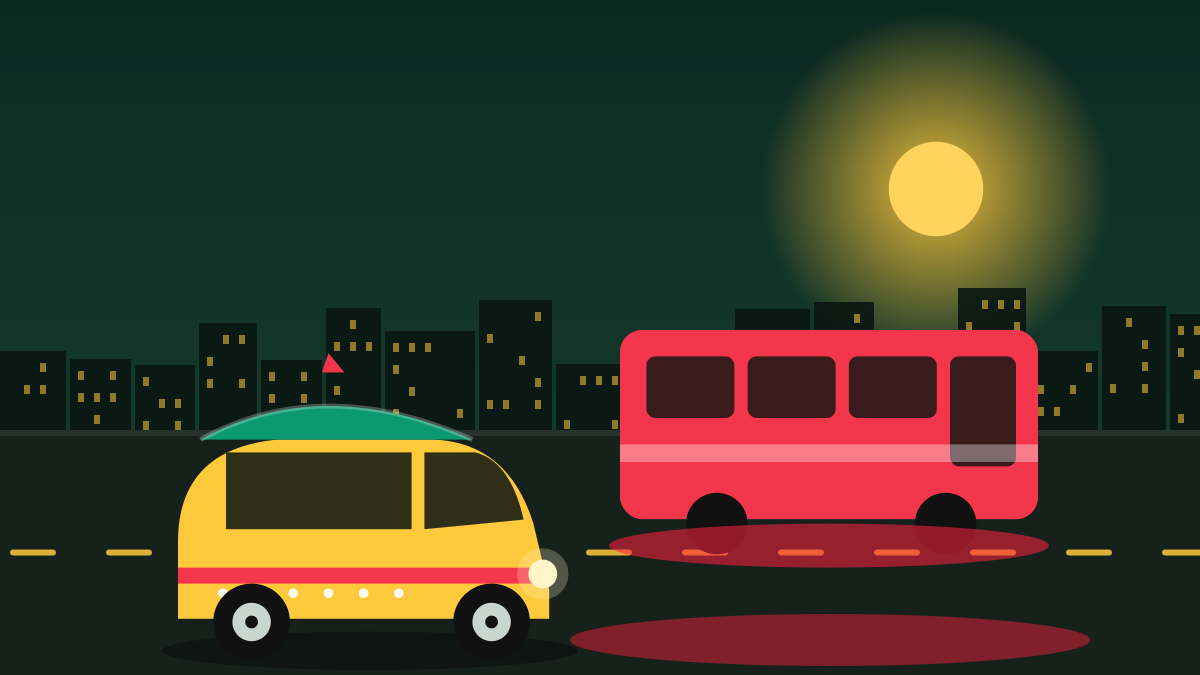
The red danger glow
A red light beneath a vehicle is the game’s visual danger cue. If you see it, treat that vehicle as lethal and choose a clear lane before you accelerate. Do not rely on boost to squeeze through, because boost reduces the time you have to react and makes a narrow gap far more risky. Over time you will start to recognise the glow in your peripheral vision and steer away without thinking.
Pursuers and crowds
The original warns that people can chase and catch the driver. In practice, stopping for a long time after a collision gives pursuers a chance to close in, which is how many first runs end. If a pursuit warning appears, watch the open road as well as the battery. The horn and sound bomb are not guaranteed escape buttons, and we have not verified any effect that would stop a pursuit. The reliable defence is to keep moving, avoid dead ends and avoid parking yourself without a reason, which includes charging with a crowd right behind you.
Ordinary damage vs run-ending damage
Run-ending
- Buses
- Trucks
- Being caught by pursuers
Raises the score
- Cars and bikes
- Shops and street objects
- Other in-game damage
Exact values per object are not published, and we do not list a score formula. What the comparison tells you is the risk profile: a collision with an ordinary object is a trade (points for a lost heading), while a collision with a bus or truck is a loss. Experienced players keep that distinction in mind constantly.
Reading the road
Most fatal mistakes happen because you saw the bus too late. Build a scanning habit: look far ahead first, then to the sides, then at your auto. Notice the shapes of large vehicles, which are taller and longer than cars. Watch for the red glow. Keep your steering small so you always have room to correct. And when the road is crowded, lower your speed before the crowd, not inside it. These habits are the same ones real drivers use; the game simply exaggerates the consequences.
Safer habits
- Scan ahead for large silhouettes and red glows before every straight.
- Slow down before gaps, not after you are inside them.
- Keep moving after a collision; do not idle.
- Boost only when you can see clear road to the end of the burst.
- Keep your battery healthy so you never have to take a risky shortcut to a charging spot.
The newspaper-style ending
When a run ends, the game shows a newspaper-style page in Bengali with your final national loss, and buttons to retry, return home or share an image or video. Take a moment to read what happened. Was it a bus? A pursuit? A low battery? That single observation tells you what to practise next, and it is the fastest way to turn a bad run into progress. The tips page has a three-run drill built around exactly that idea.
Satire and context
The creator describes the game as fiction and explicitly discourages real-world violence. Press coverage has discussed both the humour and concerns about the game’s violent undertones, and parents may reasonably want to play first. Treat the game as a tongue-in-cheek commentary on chaotic traffic, and in real life, please drive and cross roads carefully. Real road safety is not a joke, and the best use of this game is to laugh at the absurdity while remembering that real streets deserve real care.
Typical first-run endings
Players’ first runs tend to end in a handful of predictable ways. Recognising your own pattern is the fastest way to improve, so here are the five most common, with the fix for each.
The head-on bus
You accelerate toward a gap that closes. Fix: slow down earlier and look for the red glow before committing.
The truck you didn’t see
A large vehicle enters from the side while you are busy with a smaller target. Fix: scan wide, not just ahead.
The long stop
You stop to look at the damage and the crowd closes in. Fix: keep moving unless you are charging.
The boost blunder
You boost with no clear exit and cannot steer in time. Fix: boost only when you can see the whole burst path.
The dead battery
Low charge forces a panicked route. Fix: head for a yellow marking early; see the charging guide.
A pre-run checklist
Focus and sound
Click inside the game, check that your keys respond and decide whether you want sound on.
Plan the first ten seconds
Decide that you will use ordinary acceleration and small steering taps until you have read the road.
Name your focus
Pick one habit to practise this run, such as spotting red glows or keeping moving after a crash.
This might sound like overkill for a game that takes seconds to play, but a deliberate start is what turns a pile of random crashes into steady improvement. The best players treat every run as a small experiment.
How the game teaches risk
The game never shows a tutorial about danger. Instead it uses visual cues (the red glow), consequences (a sudden end) and humour (the newspaper result) to teach by experience. That is an effective design for a short-run game: you learn fast because failure is cheap. It also explains why the same advice, “scan for large vehicles”, appears in every serious guide; it is the single skill that separates a ten-second run from a two-minute run.
Frequently asked questions
What ends a run in Baper Rasta?
The game’s instructions say buses and trucks are fatal and that people can chase and catch the driver. A red light underneath a vehicle is the danger cue.
Why did the game end when I hit a bus?
Large vehicles are in a different category from cars, bikes and shops. Colliding with a bus or truck ends the run instead of only raising national loss.
Can I escape the crowd that chases me?
The horn and sound bomb are not guaranteed escape buttons. Keep moving on open road and avoid stopping for long after a collision.
What is the red glow under vehicles?
It is the game’s danger cue for run-ending vehicles. Treat any vehicle with the red glow as lethal.
Does hitting cars and bikes end the run?
Cars, bikes and shops are listed in the instructions as things that add damage. They raise national loss, but exact values are not published.
Is Baper Rasta violent?
It is a satire with crashes and a chase ending, and press coverage has discussed concerns about violence. The creator says the game is fiction and discourages real-world violence.
An independent fan team. Facts come from the game’s own on-screen instructions and public sources, and anything unverified is labelled. Last reviewed 30 October 2026. See our editorial standards or send a correction.